
The University of Texas at Austin
UT Austin is a leading research university with a strong portfolio in relevant areas of spaceflight missions, systems engineering, and microelectronics. The national top-10 Cockrell School of Engineering has an outstanding curricular program and student pool in all relevant disciplines. World renowned UTCSR, home to the NASA/DLR GRACE mission, has extensive experience in architecture and operation of large-scale spaceflight projects. The Microelectronics Research Center (MRC), is recognized as a world leader in the development and application of electronic, photonic, and optoelectronic materials, structures, and devices, offering a unique combination of novel epitaxial growth, nanofabrication, and electro-optical characterization capabilities. The Texas Advanced Computing Center (TACC) provides world-leading computational facilities that are available to the Institute members.
University of Colorado Boulder
CU Boulder is home to both well-established and recently launched quantum-focused centers and initiatives including JILA (a joint CU and NIST institute), NSF QLCI Q-SEnSE Center (Quantum Systems through Entangled Science and Engineering), and CUbit Quantum Initiative, a campus-wide interdisciplinary hub that partners with regional universities and labs, serves a spectrum of workforce development interests, and links closely with quantum-intensive companies. Boulder is also recognized as a top university in aerospace (Smead Aerospace, Colorado Center for Astrodynamics Research (CCAR)) and climate science research. Students participating in QPI have access to relevant advanced coursework in physics, computer science, aerospace and electrical engineering. All QPI participants also have the opportunity to connect with this large community of experts through informal networking events and seminars programs.

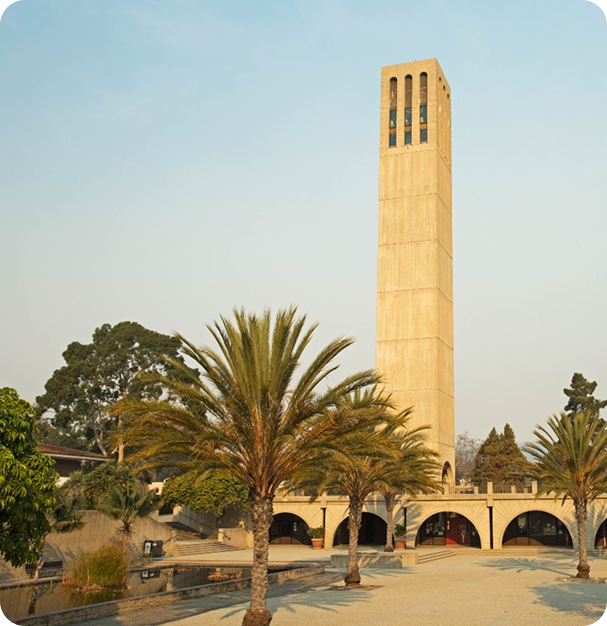
University of California Santa Barbara
UCSB is home to 10 national centers, including the KITP, CNSI, Institute for Energy Efficiency, NSF Materials Research Lab, and the NSF Quantum Foundry. The Institute researchers will be able to leverage the significant facilities and resources at UCSB, which serve faculty and students by providing: 1) centralized access to state-of-the-art instrumentation in many technology fields, and 2) expert training from scientists and technologists who are dedicated to training and supporting research. UCSB is home to 49 shared research facilities and 294 shared instruments. These facilities include: the 1000 sq. ft. UCSB nanofab clean room facility; Molecular Beam Epitaxy (MBE) and MOCVD Labs; Materials Characterization Facilities; Low-Temperature Quantum Optics Lab; and state-of-the-art optical, electronic, and photonic integration Test and Characterization Laboratories, and numerous AMO and trapped ion and atom laboratories.
California Institute of Technology
Caltech hosts a world-leading research center in quantum information and computation, the Institute for Quantum Information and Matter (IQIM). The institute collaborates with a large group of students and postdoctoral scholars across the multiple departments, working on all aspects of quantum computation, from the theory to implementations through the design of error-correcting codes. In addition, Caltech hosts a significant collaboration with Amazon Web Services (AWS) aimed toward the realization of a full-fledged quantum computer.
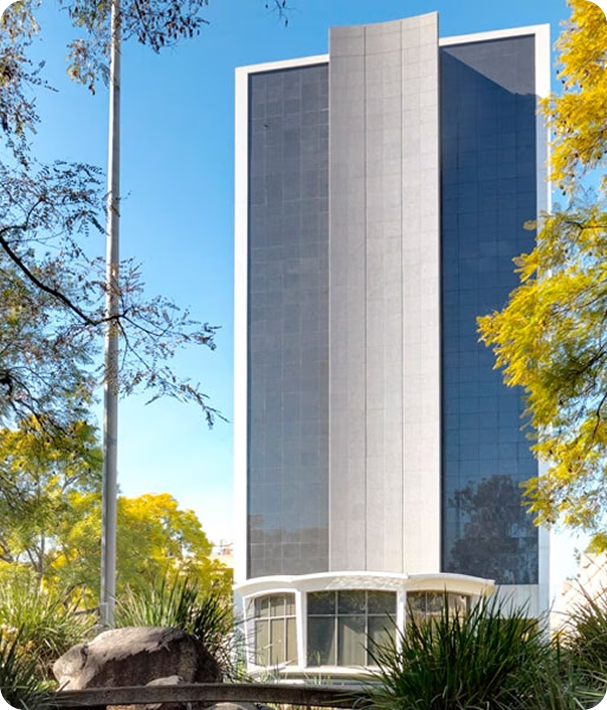

The National Institute
of Standards and Technology
NIST is recognized as a leader in quantum measurement science and technology. The technologies needed for the quantum-lab-on-a-chip proposed by QPI have significant overlap with the NIST-on-a-chip program. NIST’s participation as a collaborator in QPI provides a pathway for the academic members of QPI and NIST researchers to share mutually beneficial research. These interactions also align with the NIST’s mission to promote industrial competitiveness by advancing measurement science, standards, and technology while enhancing QPI’s access to industry and other government organizations.